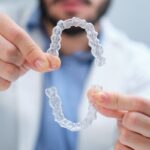
Yes, for most people, wearing retainers long-term or forever is necessary to maintain straight teeth after braces. While the intensity of wear decreases over time, retainers help prevent your teeth from drifting back to their original position.
It might sound like a big commitment, but think of it as a simple way to protect the time, money, and effort you put into your smile.
Key Takeaways
- Retainers help keep your teeth in their new position after braces
- You’ll need to wear retainers full-time for a few months, then part-time long-term
- Lifelong wear is often recommended to prevent relapse
- Skipping retainers can lead to shifting teeth and undo years of progress
- Consistent use is the best way to protect your smile investment
Why Retainers Are Important After Braces
When braces come off, your teeth aren’t completely stable yet. The bone and tissue surrounding your teeth need time to adjust to their new position.
Without retainers, your teeth can start shifting, sometimes within weeks. Retainers give your mouth the support it needs to lock in your results.
How Long Do You Have to Wear Retainers?
Immediately After Braces (First 3–6 Months)
You’ll usually wear your retainers full-time, about 20–22 hours a day, only removing them to eat or brush.
After the First Year
Most people switch to nighttime wear only. That means wearing your retainers every night while sleeping.
Long-Term or Lifetime
Even after several years, your teeth can still shift especially as you age. That’s why most orthodontists recommend wearing your retainers a few nights a week for life to keep your smile in place.
What Happens If You Stop Wearing Retainers?
Your teeth may shift back to their original position, a process called orthodontic relapse. This can happen slowly over time or quickly in the first year post-braces.
If the shifting is severe, you may even need orthodontic treatment again. Retainers are your best insurance policy against this.
Types of Retainers
There are two main types of retainers:
1. Removable Retainers
- Made of plastic or acrylic with metal wires
- Easy to clean and replace
- Can be lost or damaged if not stored properly
2. Fixed (Permanent) Retainers
- Bonded to the back of your teeth, usually the lower front
- Invisible from the outside
- Requires special care when brushing and flossing
Your dentist or orthodontist will recommend the best type based on your case.
How to Take Care of Your Retainers
- Clean them daily with lukewarm water and a soft toothbrush (avoid hot water)
- Store them in their case when not in use
- Avoid wrapping in napkins or leaving them out where pets can reach
- Replace them if they become worn, loose, or damaged
Post-Braces Care in Lansing, Charlotte, Adrian, and Highland
At Painless Dentistry & Implants, we don’t stop caring for your smile when the braces come off. Whether you need custom retainers, checkups, or a refresher on post-treatment care, our offices in Lansing, Charlotte, Adrian, and Highland, MI are here for you. Book your follow-up appointment today to keep your smile looking its best.
Final Thoughts
Wearing retainers forever might sound intense, but it’s a small habit that protects a big investment. Whether it’s nightly wear or just a few times a week, consistency helps prevent setbacks and keeps your smile aligned.
Talk to your dentist about what type of retainer is right for you, and commit to the routine that keeps your teeth straight for life.
FAQs
- Do retainers hurt after braces?
They might feel tight at first, but discomfort usually fades quickly. If pain persists, see your orthodontist.
- Can you skip wearing retainers for a few days?
It’s not ideal. Even short gaps can cause minor shifting. Stick to your schedule for best results.
- How long do retainers last?
Removable retainers can last several years with good care. Permanent retainers can last longer but may need repairs.
- Is it ever safe to stop wearing retainers?
Technically yes, but your teeth may still shift. Occasional nighttime wear is a safe long-term habit.
- Can I get new retainers if I lost mine?
Yes. Contact your dental provider as soon as possible to prevent unwanted tooth movement.